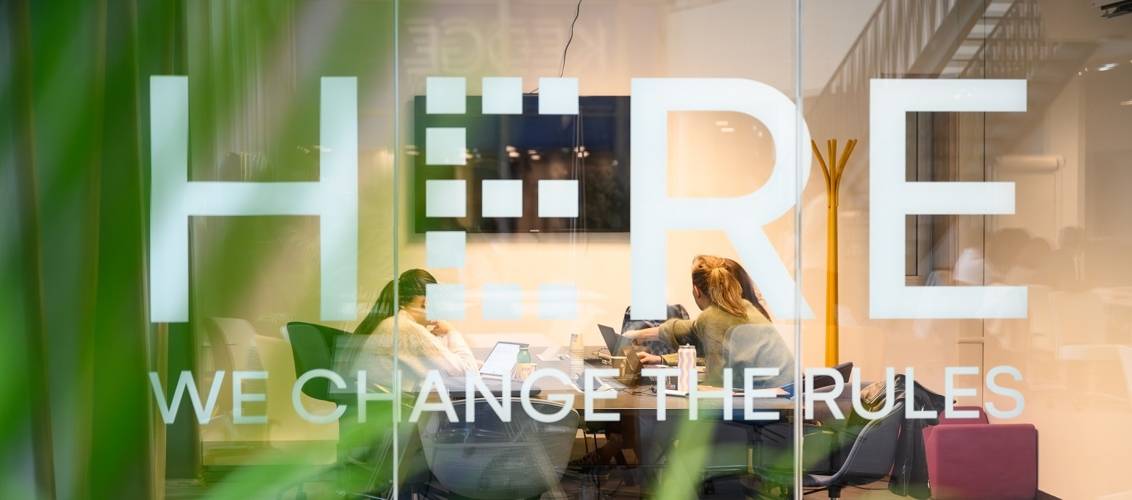
A fast-paced dive into real-world problem solving
Structured as a one-day hackathon, the GenAthon put MSc Marketing students in the role of digital marketing consultants, tasked with solving a real business challenge for KEDGE. Following an introduction and a forward-looking overview of generative AI in 2026, participants were introduced to KEDGE’s in-house AI platform before getting to work. Divided into teams, they had to identify a genuine pain point, develop a relevant solution, build a functional AI assistant, and present it to a jury by the end of the day.
Beyond using AI: learning to design it
Rather than focusing on basic tool usage, the exercise aimed to develop a more strategic capability: understanding how to design and manage AI solutions in a marketing context - a skill increasingly sought after by employers. Students worked through the full development cycle, from defining user personas and use cases to crafting system prompts, configuring their assistants, and refining them through iterative testing. Two working sprints structured the day, allowing teams to move quickly from concept to a working prototype ready for live demonstration.
Learning by doing, under real constraints
The GenAthon is built around a “learning by doing” philosophy, placing students in a production-driven environment. Supported by experts in marketing and AI, they were encouraged to test, challenge and improve their ideas continuously, while keeping in mind real-world expectations and constraints. The day concluded with pitch sessions, where each team showcased their solution through a live demonstration in front of a jury.
Preparing students for the future of digital marketing
This initiative reflects the ambition of the MSc Marketing and its specialised track "Digital Marketing & Business Strategy" to equip students with the skills needed to navigate a rapidly evolving field. Based on the Marseille campus and delivered in the second year of the programme, the track combines strategic thinking with hands-on experience, covering areas such as digital strategy, data, SEO, customer experience and emerging technologies.
The GenAthon highlights a broader shift in the profession: moving from simply using tools to being able to design, structure and leverage them effectively to create meaningful user experiences


